Organic Waste Management

Your organic waste is a resource — not a cost center.

Early Light deploys modular biodigestion systems powered by black soldier fly larvae that convert food and organic waste into premium animal feed, soil amendments, and measurable sustainability credits — at a fraction of conventional disposal costs.

20×

Faster than composting

60% to 80%

Organic waste diverted from landfill

3

Revenue-grade byproducts

80%

Smaller footprint than alternatives

Every modern development must solve its waste.

Organic waste is the fastest-growing component of landfill volume. Haulers are expensive, regulations are tightening, and sustainability targets are non-negotiable.

Rising Disposal Costs

Waste hauling fees climb year over year. Tipping fees, fuel surcharges, and regulatory levies make landfill the most expensive option — and the least defensible.

Space Constraints

Composting demands acres of land, months of processing time, and generates nuisance odors. Most developments simply can't allocate the footprint.

ESG & Certification Pressure

LEED, WELL, and investor-grade ESG metrics now require documented waste diversion. Achieving these targets can pre-planned and designed for organics at the outset.

Regulatory Tightening

States and municipalities are mandating organic waste diversion. Facilities without a plan face fines, permit delays, and reputational risk.

Scaled biodigestion that pays for itself.

Designed with our partner, Flybox.bio, and installed and operated by our team, Early Light's turnkey biodigestion systems convert your organic waste on-site — rapidly, quietly, and profitably.

20× Faster Than Composting

Black soldier fly larvae process organic waste in days, not months. The same throughput in a fraction of the space and time.

Lower Cost Than Hauling

Eliminate tipping fees, fuel surcharges, and hauler contracts. On-site processing cuts disposal costs by 40–60% while generating revenue from byproducts.

True Zero-Waste Credentials

Waste is reclassified as a byproduct once fed to insects, enabling verified zero-waste status. Earn LEED points for operational waste management.

Marketing & ESG Value

Demonstrate circular economy leadership to investors, tenants, and the public. Quantifiable carbon diversion metrics for sustainability reports.

Turnkey Operation

We operate the system on your site or train your staff. Inputs for seeding biodigestion supplied through Gleaming Messenger. You focus on your core business.

Compact Footprint

Modular container and factory systems fit within existing service areas. No odors, no pests, no nuisance — designed for urban and resort environments.

BSFL biodigestion — nature's most efficient recycler.

Black soldier fly larvae (BSFL) consume organic waste at extraordinary speed, converting it into high-value protein, soil amendment, and oil. Here's how the process works from waste intake to finished byproducts.

1

Waste Collection & Preparation

Organic waste — food scraps, kitchen prep, and other organic material — is collected on-site and processed into a balanced feedstock. The waste is sorted and batched to optimize nutrient content for larval consumption.

2

Larvae Introduction

Black soldier fly larvae are introduced to the prepared feedstock in a climate regulated environment. The larvae are voracious feeders — a single colony can consume multiples of its own body weight in organic matter daily, breaking down waste far faster than microbial composting alone.

3

Bioconversion (7–14 Days)

Over 7 to 10 days, the larvae consume and bioconvert the organic waste. As they feed, they reduce waste volume by up to 80%, neutralize pathogens through their antimicrobial gut processes, and dramatically reduce odor compared to traditional composting or anaerobic digestion.

4

Harvesting & Separation

Mature larvae are mechanically separated from the residual material (frass). The larvae — now packed with protein, healthy fats, and minerals — are harvested for animal feed. The frass left behind is a nutrient-rich, slow-release biostimulant soil amendment ready for immediate use.

5

Byproduct Processing

Harvested larvae are processed into three distinct outputs: whole dried larvae (40%+ protein for animal feed and micro farming), and potentially defatted meal and chitin (for specialized nutrition and industrial applications), and larvae oil rich in lauric acid (for cosmetics, biofuel, and health products).

6

Continuous Cycle

The process runs continuously. New waste goes in, byproducts come out. The breeding colony is replenished if not self-perpetuating — a portion of larvae can be retained to mature into adult flies that lay eggs, replenishing the next generation. The system operates year-round in any climate thanks to enclosed, climate-regulated modules.

Why biodigestion wins — every time.

Compare the three most common organic waste strategies side by side.

Landfill / Hauling

Processing Time
N/A — buried indefinitely
Space Required
Off-site (hauler dependent)
Cost Trend
Rising 5–8% / year
Byproducts
None — methane emissions
LEED Points
0
Carbon Impact
Net emitter
Odor / Nuisance
High (off-site)

Composting

Processing Time
3–12 months
Space Required
Large — acres of windrows
Cost Trend
Moderate but land-intensive
Byproducts
Compost (low-value)
LEED Points
Partial credit
Carbon Impact
Moderate emissions
Odor / Nuisance
Significant

BSFL Biodigestion

Processing Time
7–14 days
Space Required
Compact — shipping containers
Cost Trend
40–60% less than hauling
Byproducts
Larvae, frass, oil (high-value)
LEED Points
Up to 8 pts operational waste
Carbon Impact
Net carbon-negative
Odor / Nuisance
Minimal — enclosed system

Three revenue-grade byproducts from your waste stream.

Every ton of organic waste processed creates premium outputs. Use them within your ecosystem or let us guarantee the offtake through our established brands.
BSFL pet nutrition

Rich Protein for Pets and Animal Feed

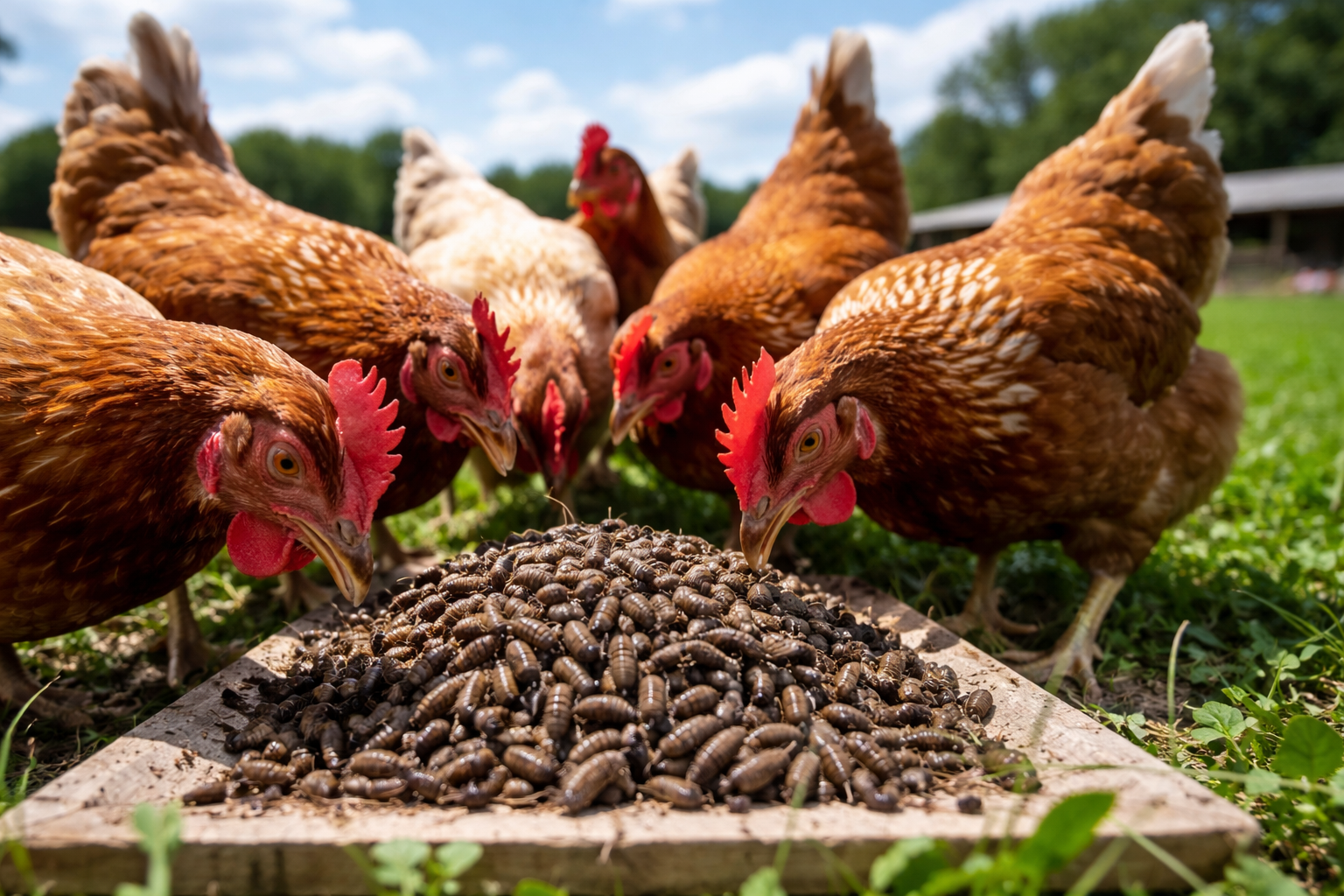
Nutrient-rich larvae (40%+ protein) for micro farming, aquaculture feed, poultry treats, bird feed and pet nutrition. Use them to nourish on-site micro-farming or sell through White Eagle Nutrition's established channels.

White Eagle Nutrition →
Frass soil amendment

Frass, All-Natural Bio-stimulant Soil Amendment

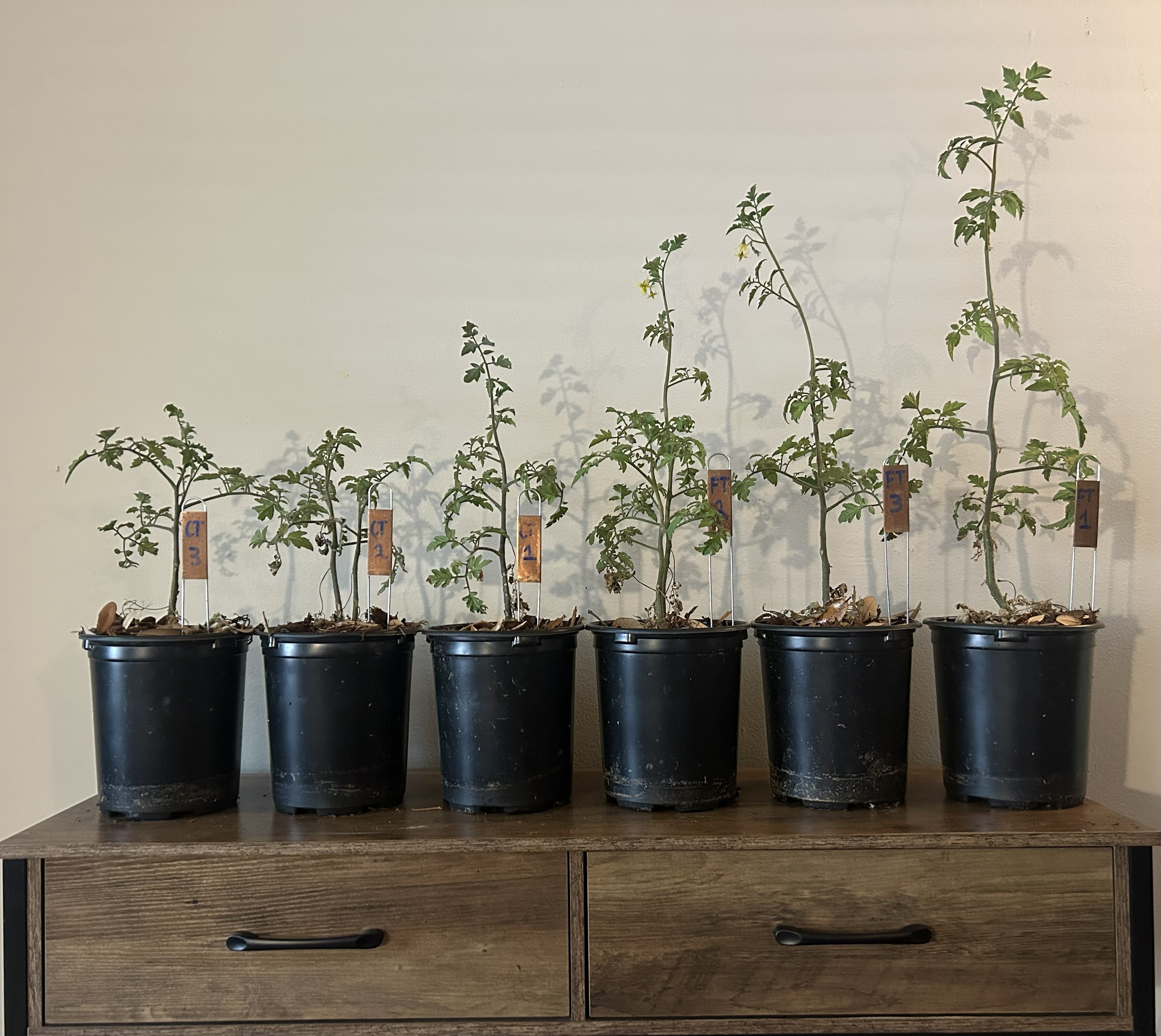
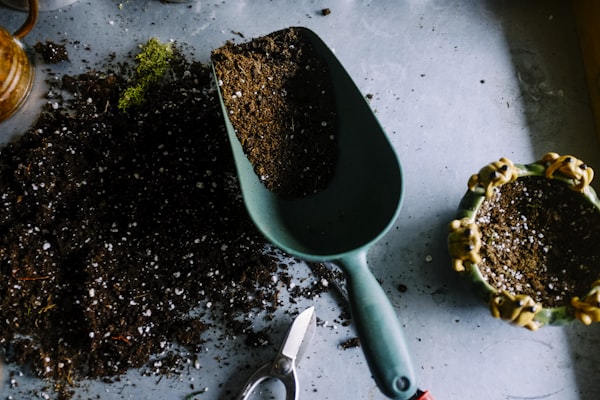
A balanced 4-3-3 slow-release fertilizer teeming with beneficial microbes. Enhances root mass by 38%, delivers chitin-based pest resilience, and accelerates composting. Use on-site for landscaping or sell through Nellie's Garden.

Nellie's Garden Frass Co. →
Larvae oil and derivatives

Defatted Meal, Chitin, Oil & Derivatives

Rich in lauric acid and antimicrobial peptides, insect oil serves cosmetics, biofuel, and industrial applications. An emerging high-margin output with growing global demand.

Nellie's BSFL →

We buy what you don't use.

Don't want to manage byproduct sales? No problem. Early Light guarantees offtake through our portfolio of established brands — removing market risk entirely.

White Eagle Nutrition

BSFL-powered pet food and animal nutrition. Precision formulations for dogs, cats, horses, poultry, and aquaculture.

Visit whiteeaglenutrition.com →

Nellie's Garden Frass Co.

Texas-grown BSFL frass for home gardens, commercial farms, and turf management. Data-backed soil amendment.

Visit nelliesgarden.com →

Nellie's BSFL

Wholesale BSFL supply, private label product and process solutions, and waste-to-value infrastructure for product partners, farms and institutions.

Visit nelliesbsfl.com →

Light Forager

Community education, soil health workshops, soil quality mapping and regeneration, and school programs. We bring sustainability education to your development if desired.

Visit lightforager.org →

Explore solutions tailored to your waste stream.

Early Light designs modular biodigestion programs for farms, food businesses, institutions, and organics processors. Choose your segment to see how we structure deployment around your operating realities.

A complete circular economy — deployed at your site.

From waste intake to finished products, community education, and guaranteed markets — Early Light manages the full value chain.

Biodigestion System

Modular, climate-controlled BSFL units from Flybox.bio process 0.5 to 30+ tonnes of organic waste per day. Container, factory, or polytunnel configurations.

Gleaming Messenger

We supply the biological inputs — genetically improved BSF eggs, neonates, and balanced feedstock — needed to seed and sustain biodigestion on-site.

Light Forager Education

Optional community and school programming around soil health, food security, and regenerative agriculture. A powerful resident and tenant engagement tool.

Guaranteed Offtake

White Eagle Nutrition and Nellie's Garden guarantee purchase of surplus larvae, frass, and oil — eliminating market risk and creating a revenue stream from day one.

Micro Farming Integration

Larvae support on-site micro farming — poultry, aquaponics, and composting operations that enhance food-to-table programs and community appeal.

Impact Dashboard

Real-time tracking of waste diverted, carbon offset, byproducts generated, and sustainability credits earned. Audit-ready reporting for LEED, ESG, and investor updates.

Start small or go big — we meet you where you are.

Choose the engagement model that fits your timeline, budget, and ambitions.

Pilot

Financed Pilot Program

We finance a pilot deployment so you can validate the economics and environmental impact before committing to scale.

  • Early Light finances the equipment
  • 3–6 month validation period
  • Full operational support included
  • Byproduct revenue shared
  • Clear path to scale-up
  • Data-driven ROI reporting
Full Integration

Integrated Waste-to-Value

The complete package: biodigestion, micro farming, community education, and byproduct monetization — designed into your development from the ground up.

  • Full system design & integration
  • On-site micro farming setup
  • Light Forager community programming
  • Sustainability certification support
  • Managed or self-operated
  • Maximum LEED & ESG impact

Earn the hardest sustainability points.

LEED Certification Accelerator

Achieving the top bands of LEED and similar certifications is notoriously difficult. The final points that tip a project from Silver to Gold — or Gold to Platinum — often come from operational waste management.

In LEED v4.1 Operations + Maintenance, projects can earn up to 8 points under the Waste Performance credit by improving ongoing waste diversion and reducing landfill disposal. For buildings where organic waste is a major part of the waste stream, BSFL biodigestion can materially improve diversion performance — often helping close the gap to higher certification tiers when paired with the right overall waste program.

Beyond LEED, our system supports WELL Building Standard scores, BREEAM credits, and investor-grade ESG reporting. A ready-made solution for the operational waste requirement that developers often find hardest to solve.

Explore Engagement Models ↓
8

LEED Points

Operational waste management credit (MR)

60% to 80%+

Diversion Rate

Organic waste diverted from landfill

Target Gold+

Certification Tier

Bridge the gap to Gold or Platinum

ESG

Investor Reports

Audit-ready sustainability metrics

More reasons developments choose biodigestion.

Tenant & Guest Appeal

Sustainability features attract premium tenants and eco-conscious guests. Visible biodigestion and micro farming become experiential amenities, not hidden utilities.

Revenue Generation

Byproduct sales — larvae, frass, and oil — create a new income stream. What was a cost center becomes a profit line. Revenue begins at year one of operations.

Regulatory Insurance

Stay ahead of mandatory organic waste diversion laws. Our system ensures compliance today and positions your development for future regulations.

Community Integration

Light Forager workshops, school programs, and community gardens transform your development into a neighborhood anchor. Education drives engagement and goodwill.

Carbon Credits

Quantifiable carbon diversion from every ton processed. Position your project for carbon credit markets and voluntary offset programs.

Operational Flexibility

Choose full management by our team or staff training for self-operation. Scale modules up or down as your development phases evolve.

Designed with Flybox.bio — the global leader in Insect Waste Management™.

Early Light partners with Flybox.bio to design and build proven, scalable insect farming technology. From container-scale pilots to factory-grade operations, Flybox developed systems are engineered for real-world performance.

Container Systems

Multi-module insect farms in 40ft shipping containers. Rapid deployment, climate-controlled, 0.5–10 tonnes/day capacity. Operates in -15°C to +45°C.

Factory Systems

Automated, warehouse-scale insect farms for high-volume operations. Custom waste processing, breeding, and end-product lines. Up to 30 tonnes/day.

Global Track Record

Deployed across the UK, Kenya, and expanding worldwide. Expert team with 30+ years in food waste recycling, entomology, and ESG finance ($1B+ underwritten).

Science-Driven

Continuous genetic improvement of BSF colonies, IoT-monitored environments, and unit-economics precision. Backed by academic and industry research partnerships.

Learn More at Flybox.bio →

Ready to turn waste into value?

Whether you're in master-planning or already operational, Early Light can design the right biodigestion solution for your project. Let's talk.

Access Partner Portal →

Access Your Partner Portal

Enter your project name to access your dedicated partner site with tailored project details, proposals, and resources.

Partner Login

Enter your project name to continue.